


Blog

Do PTACs Have to Be This Bad?

|

Packaged terminal air conditioners (PTACs) have long been known as the budget option: loud, bulky, and not particularly efficient. But newer technologies are challenging that reputation, and our testing suggests that some promising alternatives are coming to the market.

Window packaged terminal heat pump (PTHP)

Packaged terminal air conditioners (PTACs) have a bad reputation: big, ugly, loud, and inefficient—but also very inexpensive. This reputation does hold true for lots of products, but do they need to be this way?

At SWA, we’ve been working with manufacturers developing better equipment and evaluating new products in buildings. While challenges remain, there are some promising new technologies out there. And utilities, housing agencies, building designers and owners are taking notice.

Key Takeaways

  • A few companies are producing PTHPs that significantly improved the issues we’ve seen with traditional PTACs.
  • Field studies show they can provide reliable heating even in cold climates.
  • Proper sizing is critical to achieving high efficiency.
  • Air sealing remains a major consideration, especially for Passive House projects.
  • More manufacturers and real-world performance data are still needed.
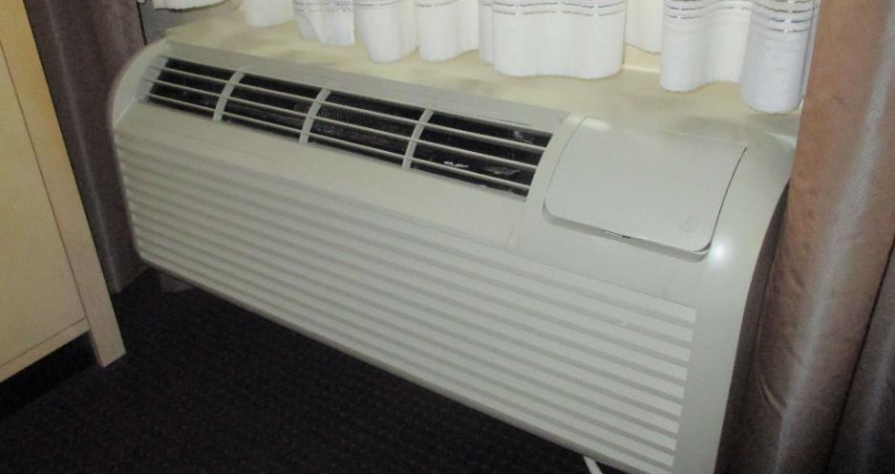
Conventional packaged terminal air conditioner installed beneath a hotel room window.
A conventional PTAC in a hotel.

What Are PTACs and PTHPs?

We’ve all walked into hotel rooms and seen a PTAC under the windows. They’re big and noisy, and you hope they’re not going to wake you up during the night when the AC cycles on and off. PTAC (usually pronounced “Pee-Tak”) stands for “packaged terminal air conditioner.”

“Packaged” means all the equipment is in one box. You don’t have a condenser outside connected to a fan coil inside (aka a “split” system). The PTAC is in one “package” that goes through the wall, usually through a permanent sleeve.

“Terminal” means it sends warm or cool air directly to the room it’s in (rather than through a duct system, for example).

AC indicates cooling, and virtually all PTACs use pretty conventional vapor compression cooling. 

PTACs also usually provide heat, but the heat can come in many forms: gas burners, hot water coils, steam coils, electric resistance, or most importantly heat pumps. When a PTAC uses a heat pump, we call it a PTHP.

Why PTACs Are Everywhere

Historically, PTACs and PTHPs have been used for heating and cooling when first cost is the dominant concern. They are usually big, loud, ugly, inefficient, and cheap.

However, about 20 years ago, we evaluated multifamily buildings that had very expensive central boiler upgrades. Old, inefficient boiler plants were replaced with efficient condensing gas boilers that provided heat to terminal units in all the apartments. We collected gas data from the building and compared it to buildings nearby that used old, inefficient gas-fired PTACs… and the PTAC buildings used less gas!

It turns out that the distributed nature of PTACs can be inherently efficient in large buildings. If a PTAC uses resistance heat or has a built-in gas burner, heat is provided directly to spaces that need it. Pumping hot water to a hundred apartments takes quite a bit of energy, and there are substantial heat losses from the miles of pipe (sometimes literally miles) running through a building.

But the fact remains that PTACs are generally loud, inefficient, and leaky.

Room for Improvement

There is no inherent reason for PTHPs to be inefficient—it’s just the way it’s been. But that’s changing.

SWA worked with New York manufacturer Ice Air when they were developing new PTHPs with inverter-driven compressors. These systems can operate near 0°F without need for any electric resistance. This product has been on the market for a few years.

Ice Air is not alone. SWA has talked with several manufacturers who are developing new products or adapting products from overseas for North American buildings. While there are still not many cold-climate PTHPs available, that may change.

The Research Shows…

Efficiency

SWA monitored several Ice Air PTHPs installed in a multifamily building in Coney Island, New York. These provided plenty of heat during a New York City winter without using any resistance.

The efficiency was OK, but there’s room for improvement. As with many types of heat pumps, we found that matching capacity to the load is really important to get good efficiency. Oversized PTHPs were considerably less efficient.

The results are summarized in this blog post, along with a link to the full report.

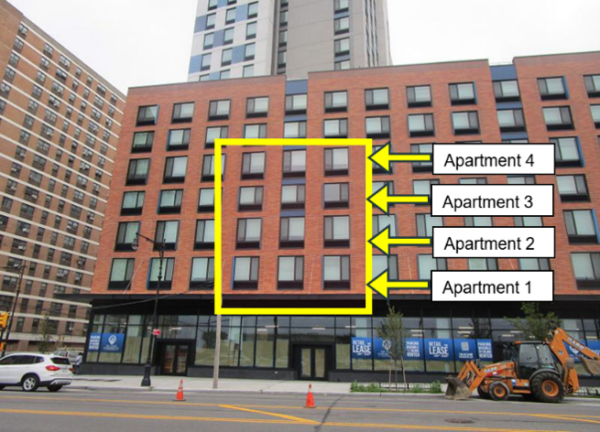
Multifamily building in New York where SWA monitored cold-climate packaged terminal heat pumps to evaluate heating performance and efficiency.

SWA monitored several new, cold-climate PTHPs in a New York building.

Airtightness

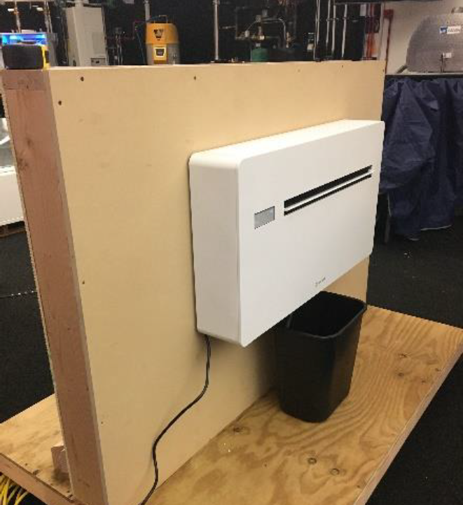
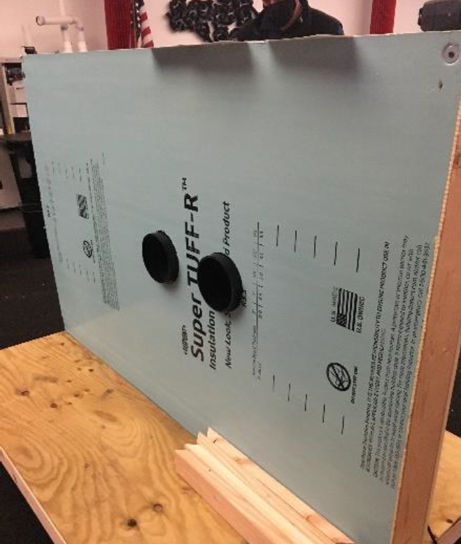
Many of our clients are interested in PTHPs for Passive House buildings, but as every PTHP requires a big hole in the wall, air leakage is a huge concern. We tested air leakage in mock-up installations of a few PTHP products, identified weaknesses, and worked with manufacturers to address shortcomings.

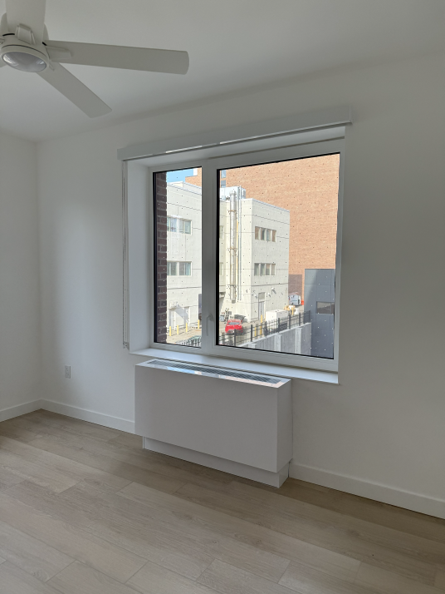
These efforts had an impact. In early 2026, SWA completed blower door testing of a new Passive House multifamily building in NYC that had 680 Ice Air PTHPs installed. And the building passed! We continue to work with other manufacturers and installers to get consistent, airtight installations.

Packaged terminal heat pump mounted in a laboratory wall mock-up for airtightness testing and product evaluation.
Rear view of a packaged terminal heat pump mock-up used to test air leakage through wall penetrations and equipment connections.

SWA tested air leakage in mock-up PTHP installations.

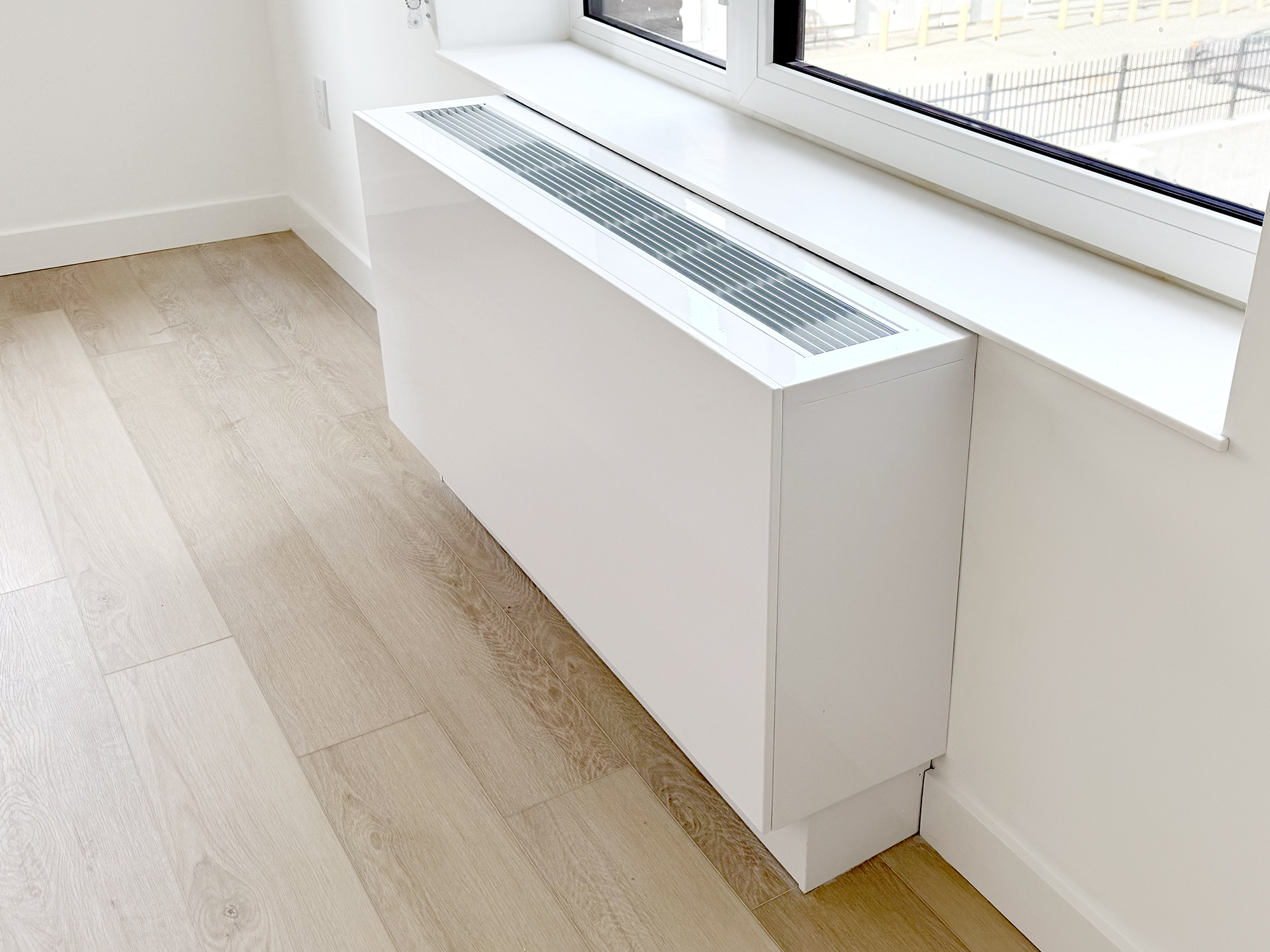
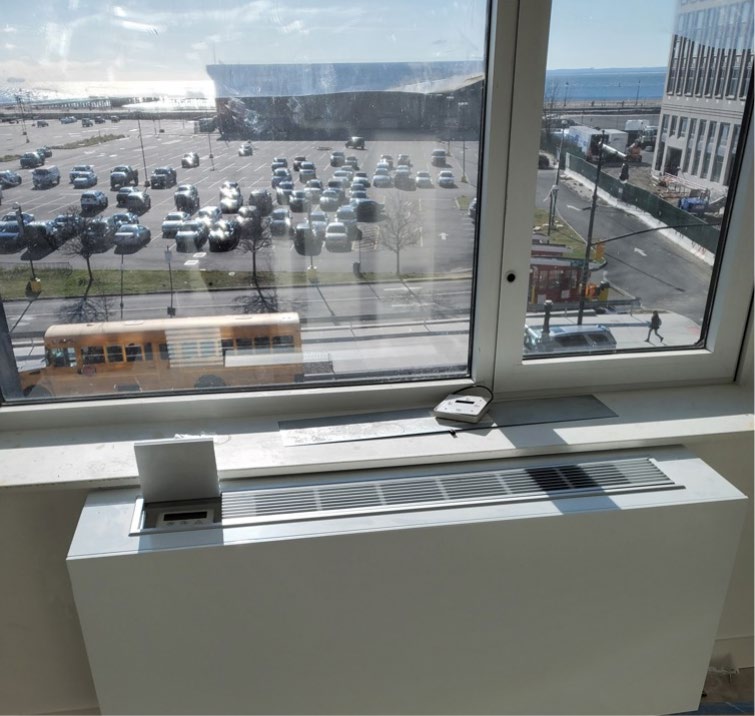
Packaged terminal heat pump installed beneath a window in an apartment in a new Passive House.
New multifamily Passive House building equipped with packaged terminal heat pumps designed for high-efficiency heating and cooling.

New, cold-climate PTHPs in a new Passive House building

Electrification Retrofits

Syracuse University researchers monitored Innova heat pumps that were retrofitted into existing PTAC sleeves in a large NYCHA (New York City Housing Authority) building . The old PTACs used steam from a central boiler, and Syracuse found that new PTHPs reduced heating site energy by over 90%. (Window replacements were also part of this renovation; they certainly were responsible for part of the savings.)

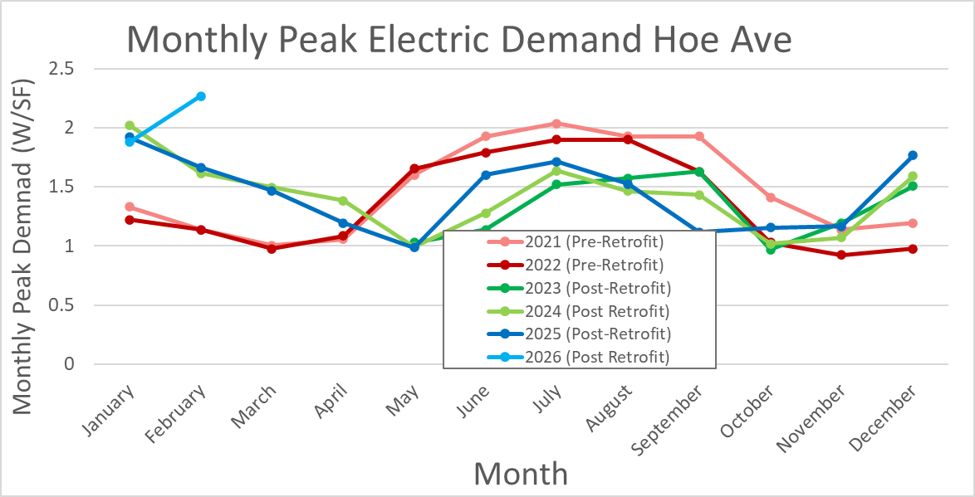
SWA examined peak electric demand impacts from the retrofit. The combination of better windows and more efficient cooling reduced summer peaks by 15-20%, but PTHPs resulted in winter peaks rising by 60-70%. During extremely cold weather (Polar Vortex excursion in February 2026), the new winter peaks were 10-15% higher than previous summer peaks. SWA is evaluating demand and grid impacts more in upcoming projects.

Line chart comparing monthly peak electric demand before and after a packaged terminal heat pump retrofit, showing lower summer peaks but higher winter demand.

SWA is assessing electric demand impacts of PTHPs when they replace fuel heating systems.

PTHPs: What Still Needs to Improve?

PTHPs can be a viable option for efficiently heating and cooling buildings, even in colder climates, but there is still room for improvement. Here’s what we’d like to see in the market:

  • More cold-climate options: We’re looking forward to seeing more PTHP manufacturers provide more products that can efficiently operate all winter. The market seems limited to about three manufacturers currently.
  • Smaller-capacity PTHPs: As with all types of inverter-driven ASHPs we’ve tested, matching heat pump capacity to the load is key to getting good efficiency. The smallest PTHPs available have heating capacities around 9,000 Btu/h; this is several times higher than design loads for many rooms. Efficiency suffers when PTHPs are oversized. For a start, we’d like to see manufacturers offer 6,000 Btu/h units. But we’d like to see much lower than that. In efficient buildings, bedrooms often have design loads of 2,000 Btu/h or lower.
  • More airtight products: We know of only one manufacturer that has a project with the airtightness required for Passive House buildings, though we’re making progress on one more. Of course, installation is very important to get good air sealing, and it’s certainly trickier when retrofitting existing buildings.
  • Performance data: We’d like to see more publicly available data on how PTHPs perform in real buildings.

On the Horizon

SWA is on a team with Taitem Engineering and Slipstream to collect data and suggest improvements on new PTHP products for NYSERDA’s Room Heat Pump Program. The program also includes packaged window heat pumps, which offer the potential for simpler electrification in older buildings that don’t have PTAC sleeves.

We’re excited to see more manufacturers jumping into this market and will be sharing our findings as this program gets underway. The NYSERDA Room Heat Pump program is available to existing multifamily buildings across New York State. The program is actively recruiting multifamily building sites located in New York, north of New York City.

We are here to help you evaluate if PTHPs are the right fit for your next project. Click here to contact SWA.

Author: Robb Aldrich, Principal Mechanical Engineer at SWA